Great Lakes · Canada

Oak Savanna Restoration Along Great Lakes Shorelines

Fire-adapted oak openings, understory thinning, and invasive buckthorn removal — a documentation of ecological restoration work across Ontario's Great Lakes shoreline zones.

Updated May 2026

Lake Ontario shoreline landscape

Oak Savanna Topics

Detailed overviews of the ecological challenges and restoration methods applied in Great Lakes oak savanna landscapes.

Bur oak (Quercus macrocarpa) illustration

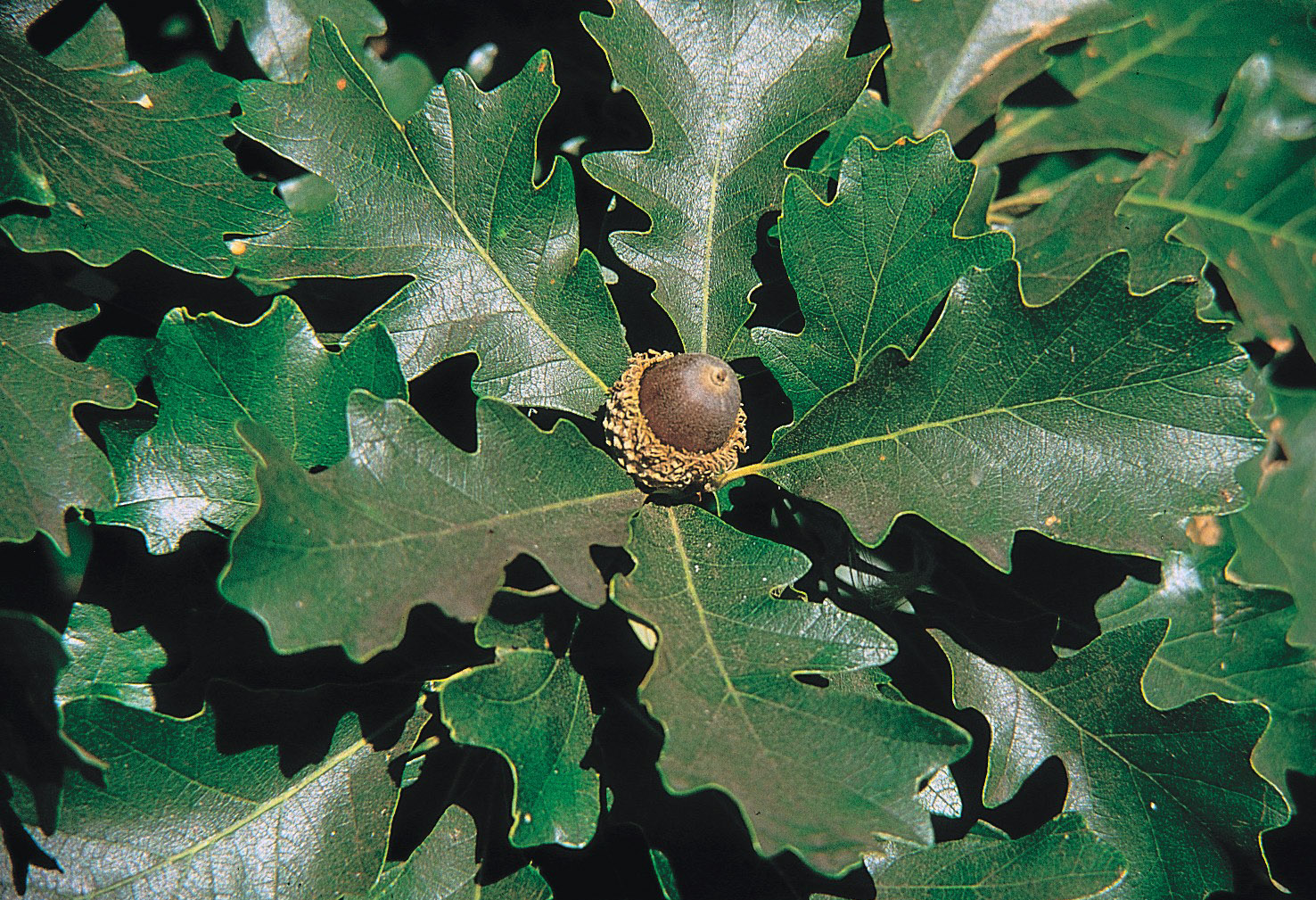
Bur Oak as an Anchor Species

Bur oak (Quercus macrocarpa) is one of the most fire-tolerant tree species in the Great Lakes region. Its thick, corky bark protects the cambium during surface fires, allowing individuals to persist through repeated burns that kill competing woody species.

In Ontario, bur oak is found in isolated stands along Lake Erie's north shore, the Bruce Peninsula, and scattered lakeplain communities near Lake St. Clair. These populations represent remnants of a once-widespread savanna mosaic that covered parts of southwestern Ontario before European settlement.

Why Shoreline Zones Matter

Great Lakes shorelines host distinct ecological conditions that influence oak savanna structure and restoration priorities.

Lakeplain Soils

Former lake-bed soils in lakeplain communities near Lake Erie and Lake Ontario tend to be fine-textured and subject to seasonal flooding. This creates a mosaic of wet and dry microsites that historically supported different oak-associated plant communities.

Canopy Gap Dynamics

Oak savanna structure depends on open canopy conditions — typically 10–60% tree cover. Without disturbance from fire or mechanical thinning, mid-successional species shade out sun-requiring oak seedlings and grasses within decades.

Shoreline Connectivity

Restored shoreline oak woodlands can serve as movement corridors for species adapted to open woodland conditions. Connectivity between remnant patches reduces local extinction risk for plant and invertebrate communities tied to oak savanna.